






The nutraceutical industry in India has changed dramatically over the last decade. What was once a niche segment limited to multivitamins and a handful of herbal products has evolved into a large and competitive market covering immunity supplements, sports nutrition, protein formulations, wellness products, herbal extracts, digestive support, women’s health, children’s nutrition, and preventive healthcare solutions.
As consumer awareness grows, more entrepreneurs, healthcare professionals, distributors, and wellness companies are entering the market with their own brands. Many begin their search with a simple objective: find a nutraceutical manufacturer in India that can produce quality products at a competitive price.
On paper, the process appears straightforward. A company has manufacturing certifications, a product catalogue, and a facility capable of producing supplements. Quotations are shared, samples are evaluated, and agreements are signed.
Yet many businesses discover within a year that manufacturing partnerships are far more complex than they initially appeared. Delayed deliveries, inconsistent product quality, changing raw material standards, packaging issues, and communication gaps often become more significant challenges than pricing itself.
At Petal Healthcare, Ambala, Haryana, we have worked with franchise partners, third-party manufacturing clients, and healthcare businesses since 2015. Over the years, we have observed that successful nutraceutical brands rarely succeed because they found the cheapest manufacturer. They succeed because they found a manufacturing partner capable of supporting their growth consistently.
Understanding how the industry works behind the scenes can save considerable time, investment, and operational headaches.
India’s nutraceutical manufacturing ecosystem is not evenly distributed across the country. While manufacturing units exist in many states, a significant portion of serious production capacity remains concentrated in specific pharmaceutical and healthcare corridors.
Northern India continues to play a major role in this sector. Regions surrounding Baddi, Panchkula, Chandigarh, Mohali, and Ambala have developed strong manufacturing ecosystems supported by raw material suppliers, packaging vendors, logistics providers, testing laboratories, and skilled technical professionals.
Baddi is often associated with large-scale manufacturing operations capable of handling substantial production volumes. Many established national brands source products from facilities located there. These manufacturers are often designed to accommodate large batch requirements and standardized production schedules.
The Chandigarh-Mohali-Panchkula region has become a preferred destination for pharmaceutical and nutraceutical companies that require flexibility alongside manufacturing quality. Many facilities here serve both PCD franchise companies and third-party manufacturing clients.
Ambala occupies a unique position within this ecosystem. Located near major pharmaceutical clusters and connected to important transportation routes, the city has emerged as a strong manufacturing base for Ayurvedic, herbal, and nutraceutical products. The availability of botanical raw materials, experienced formulation teams, and efficient logistics networks has contributed significantly to its growth.
For businesses looking to build a nutraceutical brand, location matters more than many realize. It influences supply chain stability, transportation costs, product availability, audit accessibility, and turnaround times. A manufacturer located within a mature industrial ecosystem typically has access to better resources and support systems than an isolated facility operating independently.
Many buyers evaluate a nutraceutical manufacturer by looking at the finished product. While this is important, the real story begins much earlier.
The quality of any nutraceutical product depends heavily on the quality of its raw materials. Two products may look identical on a label while containing entirely different grades of ingredients.
This is particularly true for herbal formulations.
Consider Ashwagandha as an example. One manufacturer may use a standardized extract tested for a defined concentration of active compounds, while another may use generic herbal powder sourced primarily on the basis of cost. Both products can legally carry similar labels, yet their effectiveness may vary significantly.
The same principle applies to ingredients such as Boswellia, Curcumin, Ginseng, Green Tea Extract, Spirulina, and various botanical formulations commonly used in modern nutraceutical products.
A manufacturer committed to quality should be able to provide documentation regarding ingredient sourcing, quality testing, and analytical verification. Transparency regarding raw materials often tells more about a manufacturer than marketing brochures ever can.
At Petal Healthcare, raw material evaluation remains one of the most important stages of production. Every ingredient entering the facility undergoes quality checks before it becomes part of a finished formulation. This approach helps maintain consistency from batch to batch, which is essential for building long-term customer confidence.
A common misconception among first-time buyers is that a large product catalogue automatically indicates strong manufacturing capability.
In reality, the opposite is sometimes true.
Many companies showcase hundreds of products while outsourcing significant portions of production to external facilities. This arrangement may work for certain businesses, but it introduces additional variables into quality control and supply management.
What matters more is understanding what the manufacturer can genuinely produce within its own infrastructure.
Different nutraceutical dosage forms require entirely different production environments. Tablets, capsules, protein powders, herbal syrups, effervescent formulations, oils, drops, granules, and softgels each demand specialized equipment and process controls.
A facility that excels in tablet production may have limited expertise in liquid formulations. Likewise, a company known for powders may not possess advanced capabilities for herbal extracts or specialized delivery systems.
When evaluating a manufacturer, businesses should focus on operational capability rather than catalogue size. The ability to maintain quality across multiple dosage forms is often a stronger indicator of manufacturing maturity than the number of products listed in a brochure.
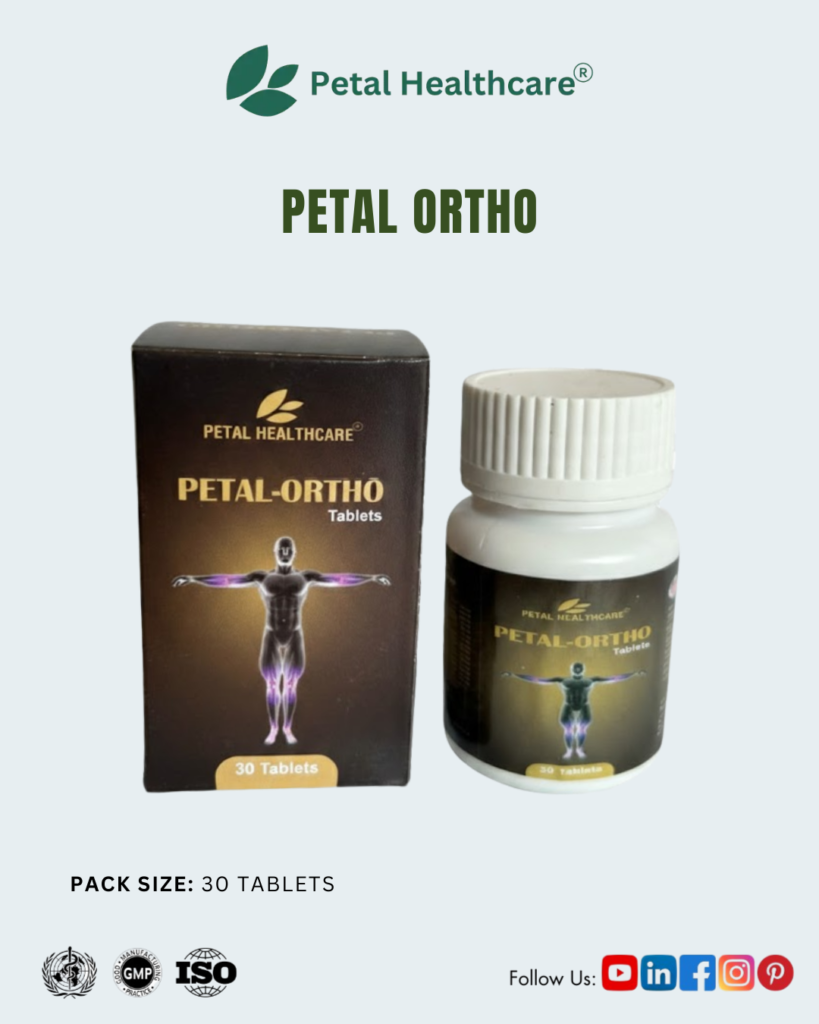
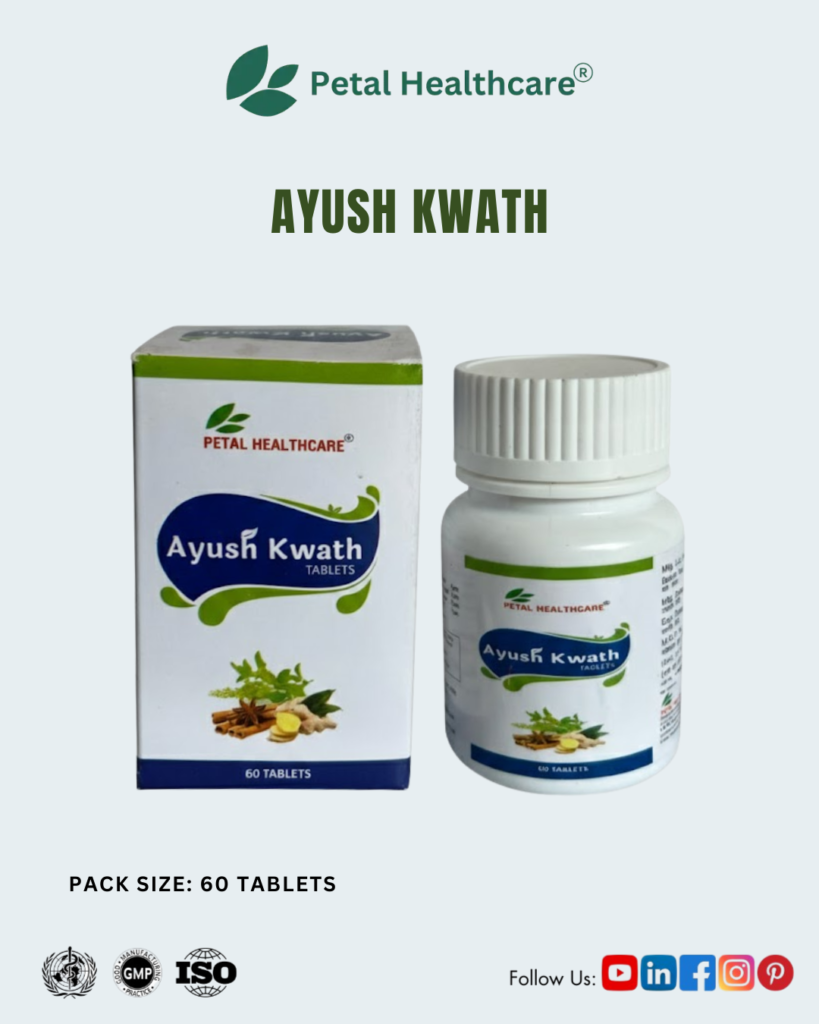
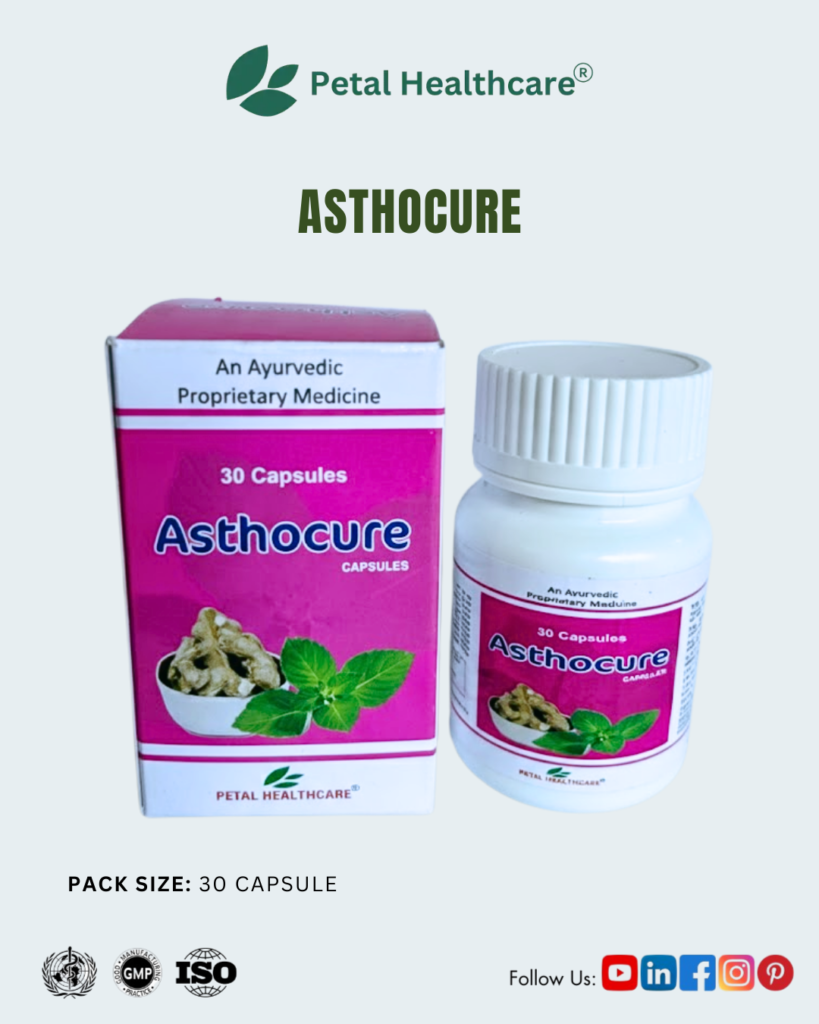
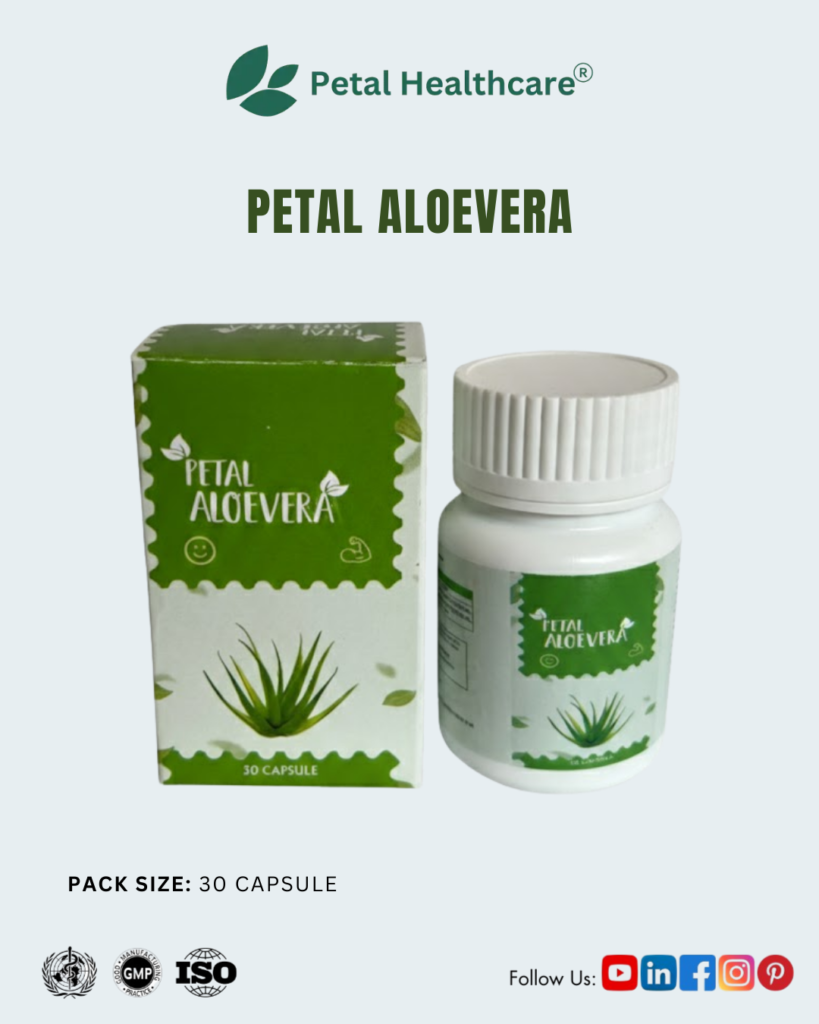
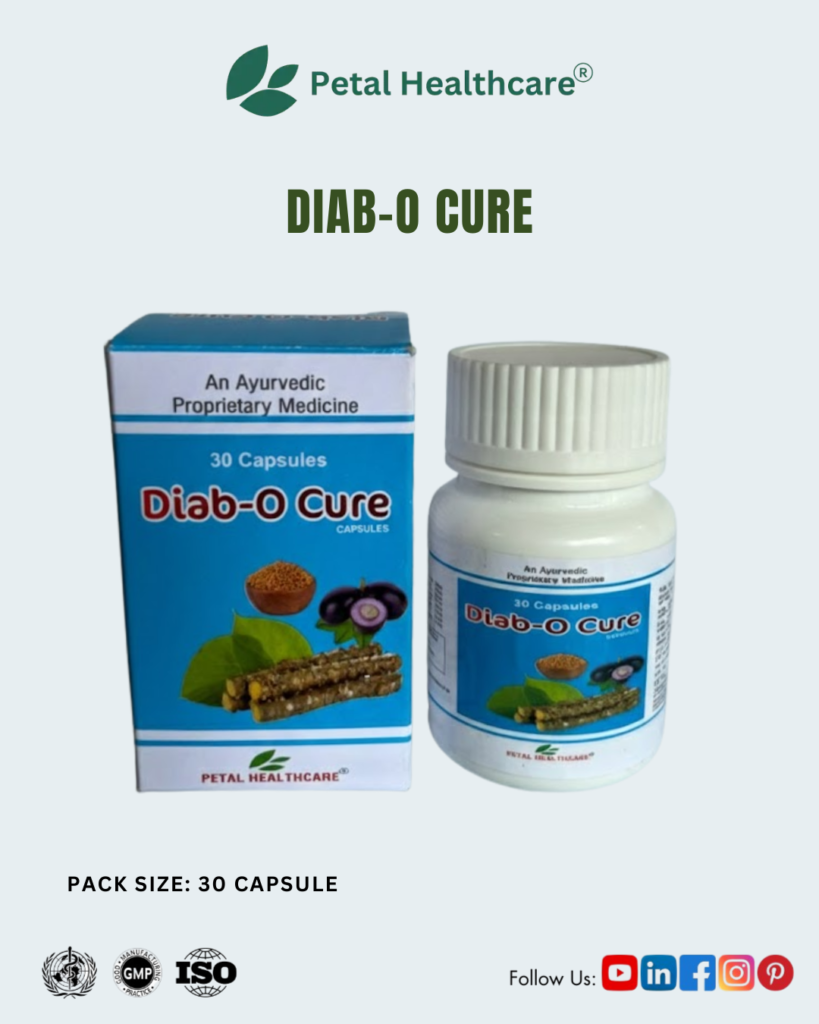
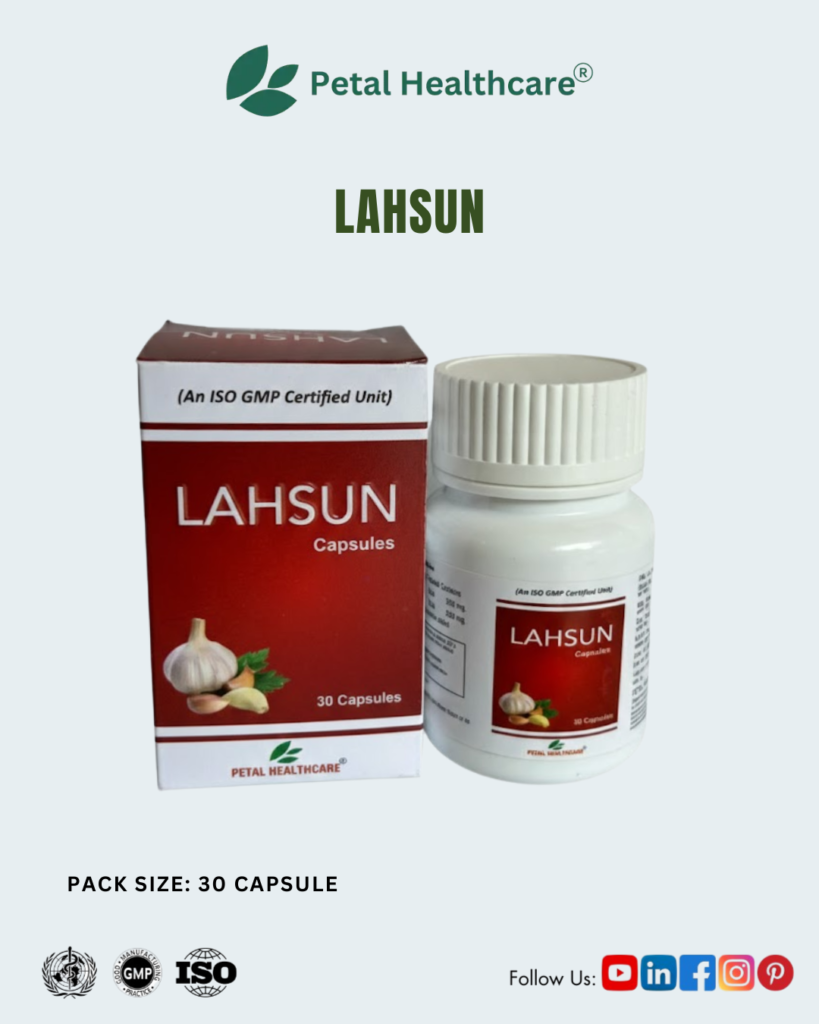
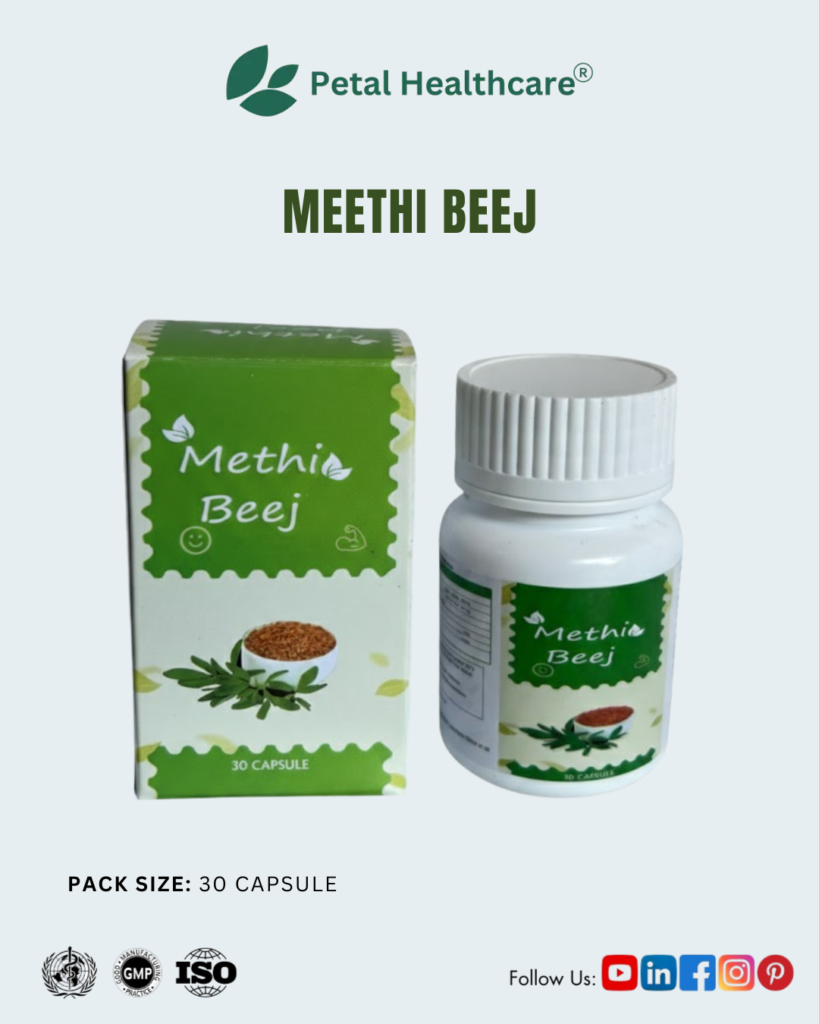
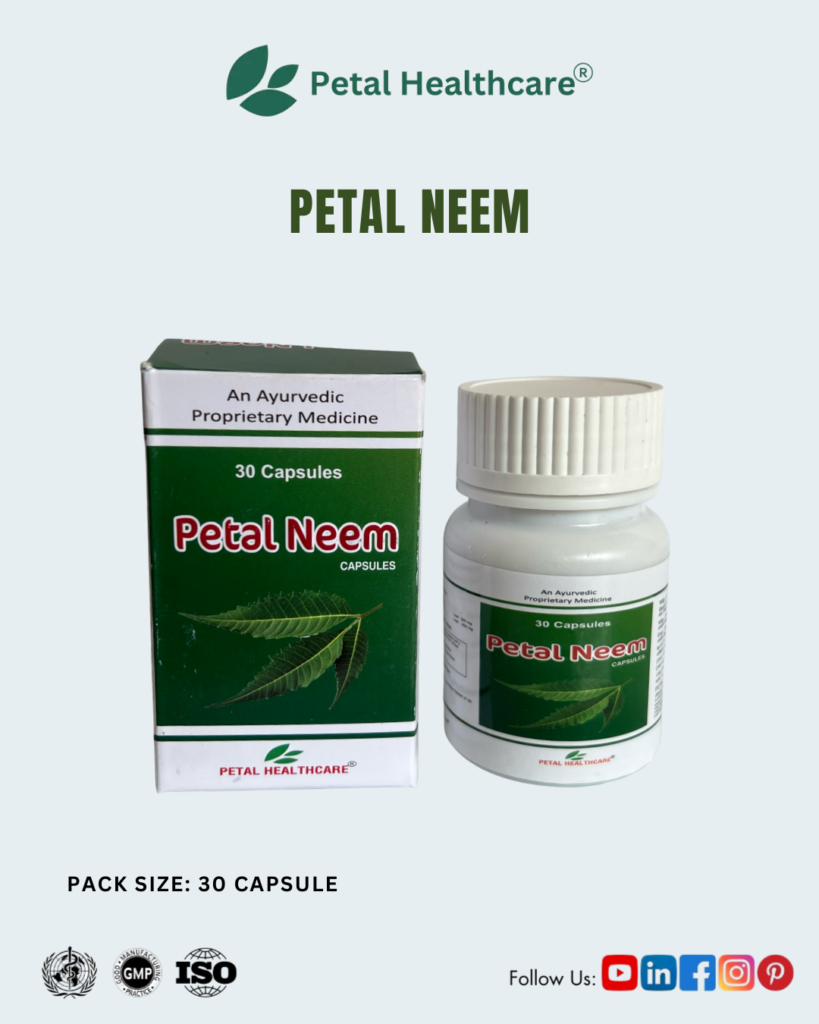
Petal Healthcare has developed capabilities across tablets, capsules, powders, syrups, herbal drops, oils, granules, gels, and nutrition-based formulations. This integrated approach enables clients to build diverse product portfolios without managing multiple manufacturing vendors.
Pricing discussions dominate most manufacturing negotiations, yet they are often misunderstood.
Nutraceutical production is influenced by several variables that extend beyond simple manufacturing costs. Ingredient quality, packaging specifications, testing requirements, production volume, formulation complexity, and regulatory compliance all contribute to final pricing.
A low quotation may initially appear attractive. However, hidden compromises can emerge later in the form of ingredient substitutions, inconsistent supply, delayed deliveries, or quality concerns.
The more important question is whether the manufacturer can deliver sustainable value rather than the lowest possible rate.
For businesses entering the market through a PCD franchise model, the initial investment is typically lower because products are already developed and branded. This allows faster market entry and reduced operational complexity.
Private-label manufacturing requires greater investment but offers stronger long-term brand ownership. Companies building their own brands often achieve higher margins because they control positioning, customer relationships, and market development.
Custom formulation projects represent another category entirely. These involve formulation research, ingredient selection, stability considerations, packaging development, and regulatory documentation. While the investment is higher, the resulting products can provide meaningful differentiation in competitive markets.
The most successful nutraceutical businesses usually view manufacturing as a long-term strategic partnership rather than a transactional purchase decision.
The nutraceutical sector has become increasingly regulated in recent years, and for good reason.
Consumers today are more informed than ever. Healthcare professionals expect greater transparency. Regulatory authorities continue to strengthen quality expectations across the industry.
As a result, certifications and compliance standards have become critical factors when selecting a manufacturer.
FSSAI compliance remains essential for nutraceutical products marketed in India. It establishes the legal framework for product approval, labeling, and sale.
WHO-GMP certification focuses on manufacturing quality systems, process controls, hygiene standards, and documentation practices.
ISO certification further demonstrates commitment to structured quality management systems.
While certifications alone do not guarantee excellence, they indicate that a manufacturer operates within recognized quality frameworks. Businesses should view them as a starting point rather than the final criterion for evaluation.
Regular audits, documentation practices, laboratory testing procedures, and batch traceability systems are equally important indicators of operational reliability.
One of the most overlooked aspects of manufacturing is relationship stability.
Launching a nutraceutical brand requires considerable effort. Product development, packaging design, marketing, distribution, and customer acquisition all demand investment.
Changing manufacturers every year disrupts this process significantly. Reformulations, packaging changes, supply interruptions, and regulatory updates can create challenges that affect market credibility.
The most successful brands often maintain long-term manufacturing partnerships because consistency itself becomes a competitive advantage.
A manufacturer who understands your product portfolio, growth plans, seasonal demand patterns, and quality expectations becomes more valuable over time.
Strong communication, predictable delivery schedules, transparent documentation, and responsive support frequently contribute more to business success than minor differences in pricing.
Since 2015, Petal Healthcare has focused on building a manufacturing ecosystem that combines traditional herbal knowledge with modern production standards.
Located at Kesri near Ambala, Haryana, our WHO-GMP and ISO-certified facility serves clients across India through both PCD franchise and third-party manufacturing models.
Our manufacturing operations span Ayurvedic formulations, herbal supplements, nutritional products, protein-based formulations, tablets, capsules, syrups, oils, powders, granules, and other dosage forms required by modern healthcare businesses.
What distinguishes our approach is not simply the range of products we manufacture but the emphasis placed on long-term collaboration.
We understand that every client enters the market with different objectives. Some seek a reliable franchise opportunity. Others aim to launch a private-label wellness brand. Some require custom formulations designed around specific market needs.
Rather than offering a one-size-fits-all solution, we work closely with clients to understand their goals and recommend manufacturing strategies aligned with their stage of growth.
Our support extends beyond production. Documentation assistance, packaging flexibility, formulation guidance, promotional support, and regulatory coordination all form part of the manufacturing relationship.
We believe that manufacturing should create confidence, not complexity.
Choosing a nutraceutical manufacturer is ultimately a business decision that affects every aspect of your brand’s future.
The facility you select today will influence product quality, customer satisfaction, inventory stability, regulatory compliance, and market reputation for years to come.
Price matters. Certifications matter. Product range matters.
But reliability matters more.
The manufacturers that consistently help clients grow are rarely the ones making the loudest promises. They are the ones delivering the same quality, the same service, and the same support year after year.
For businesses exploring nutraceutical manufacturing opportunities in India, taking the time to evaluate a partner thoroughly can make the difference between building a sustainable healthcare brand and constantly solving preventable operational problems.
Petal Healthcare continues to support nutraceutical entrepreneurs, wellness companies, healthcare distributors, and franchise partners across India with manufacturing solutions designed for long-term growth, quality assurance, and dependable supply.
Petal Healthcare
Village & P.O. Kesri, Near Saha Industrial Area, Ambala, Haryana – 133102
Serving: PCD Franchise, Third-Party Manufacturing, Private Label Manufacturing, Ayurvedic & Nutraceutical Products Across India.